
When the Rains Return to Israel
There is something deeply moving about the arrival of autumn in Israel.
After months of intense summer heat, the first clouds gather, cooler winds return and the possibility of rain brings a sense of renewal.
For generations, rainfall has carried a special meaning in Jewish tradition — a blessing associated with life, agriculture and hope.
But behind the seasonal beauty lies a changing scientific reality.
Israel: Between Two Climate Worlds
Israel stands at the meeting point of two very different environments.
To the north and west lies the Mediterranean climate, influenced by winter storm systems. To the south and east stretch the arid landscapes of the Middle Eastern desert belt.
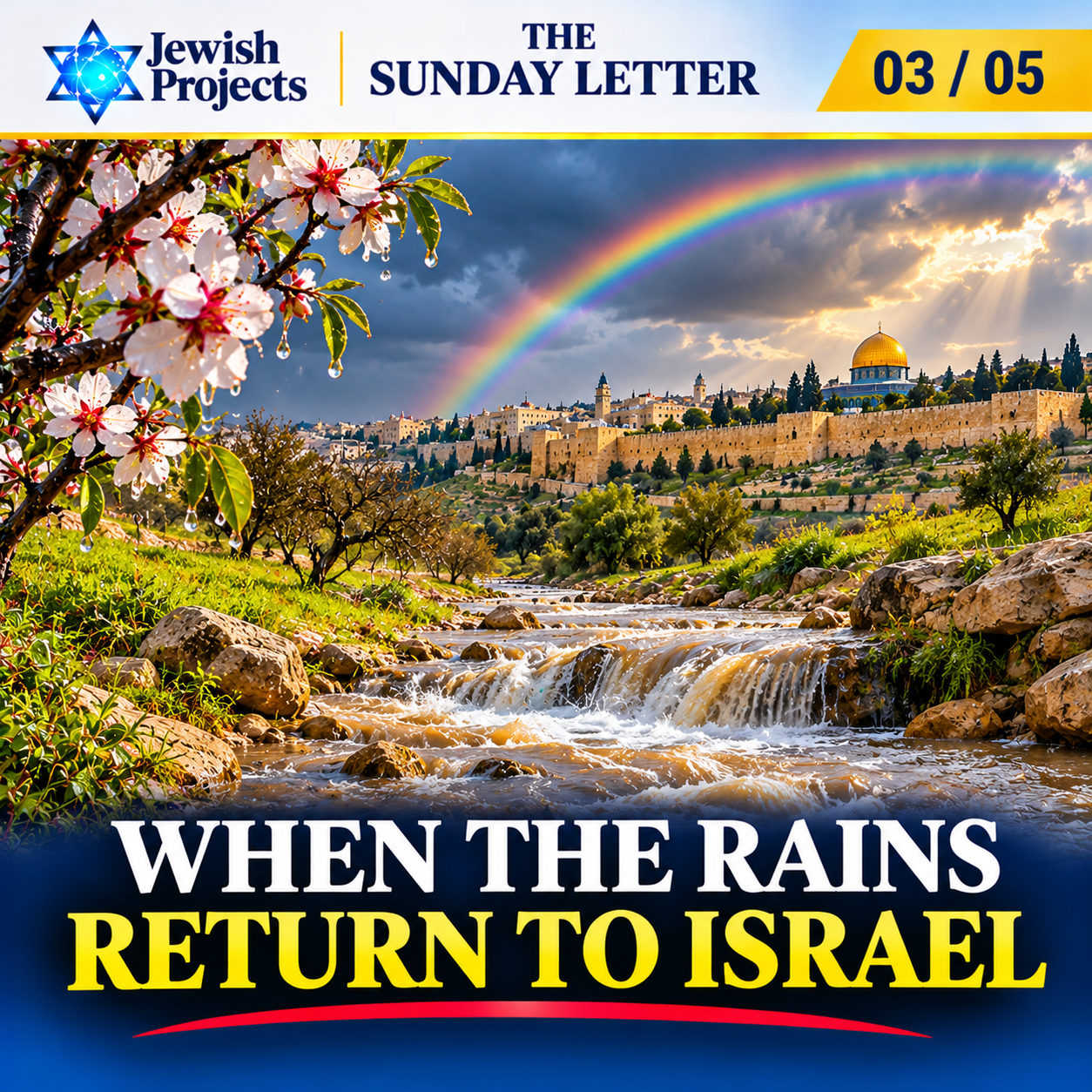
This geographical position makes Israel particularly sensitive to shifts in temperature and precipitation.
Research by the Israel Meteorological Service shows that the region is warming rapidly. Rising greenhouse gas concentrations are the main cause of modern global warming.
Scientists are studying how increasing temperatures affect rainfall patterns, heatwaves, droughts and episodes of intense precipitation.
A warmer atmosphere can hold more water vapor, potentially increasing the intensity of heavy rainfall when the necessary weather conditions develop.
Yet no single flood or heatwave can automatically be attributed to climate change.
For Israel, these developments create practical challenges involving agriculture, infrastructure, water management and public safety.
They also remind us that water is one of the country's most precious resources.
The rain remains a blessing. Learning to live responsibly with a changing climate is one of the defining challenges of our time.