
Israel's 42-Day Test
Can a stable government emerge from a divided Knesset?
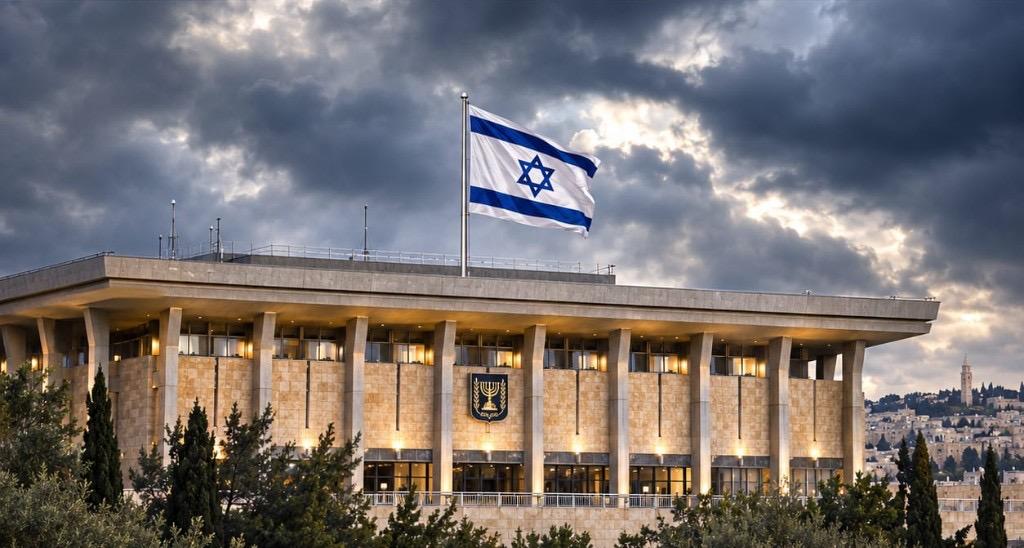
Israel's parliamentary election on October 27 delivered a new political landscape, but not an immediate answer to the question of who will lead the country.
On November 8, President Isaac Herzog formally entrusted Gadi Eisenkot, leader of the Yashar party and a former IDF chief of staff, with the responsibility of forming a government.
During presidential consultations, parties representing 67 members of the 120-seat Knesset recommended Eisenkot. Another 46 recommended Prime Minister Benjamin Netanyahu, while seven declined to recommend either candidate.
Yet receiving 67 recommendations does not automatically guarantee the 61 votes needed to establish a government.
The Difficult Road to a Coalition
Eisenkot has 28 days to negotiate a coalition agreement, with the possibility of a presidential extension of up to 14 additional days.
The challenges are substantial. Parties differ over military service requirements, relations between religion and state, the role of Arab-led political parties and the priorities of the next government.
Some potential partners have publicly rejected political arrangements that others may consider necessary.
More Than a Political Contest
Israel's next government will inherit demanding decisions concerning national security, the economy, public services and the aftermath of years of conflict.
Meanwhile, Netanyahu continues to lead the outgoing caretaker government while coalition negotiations proceed.
If Eisenkot cannot assemble a majority, Israel's constitutional process allows for additional attempts to form a government, potentially followed by another election.
The coming weeks will therefore test not only the ability of political leaders to reach agreements, but also the capacity of Israel's democratic institutions to turn a fragmented election result into effective government.
The votes have been counted. The challenge now is to govern.