
Israel Has Voted. Who Can Govern?
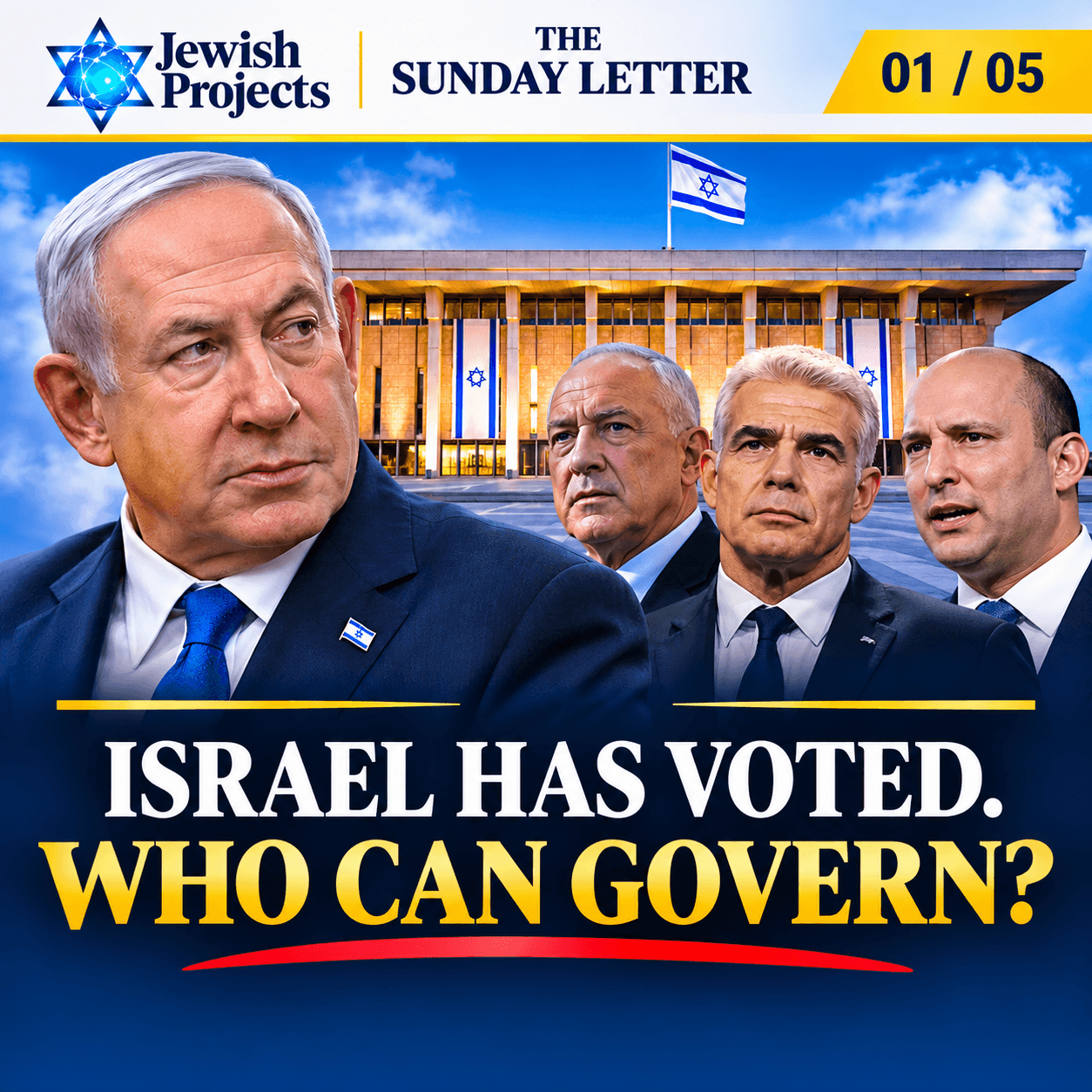
Israel's October 27 election was supposed to settle the question of who would lead the country through the next chapter of its history.
Instead, it produced another difficult political puzzle.
Prime Minister Benjamin Netanyahu's Likud won 27 seats, making it the largest party in the Knesset. Together with its religious and right-wing allies, Netanyahu's bloc secured 53 seats — eight short of a parliamentary majority.
The Jewish-led opposition won 48 seats, while the two Arab-led parties secured a combined 19, giving their representatives an important potential role in coalition negotiations.
Neither major political camp can form a government without additional support.
The Price of Political Uncertainty
President Isaac Herzog received the official election results on November 4 and began consultations with the elected parties.
Beyond the political competition lies a practical challenge.
Israel must address national security, economic recovery, public services and the consequences of prolonged war. Yet uncertainty about the next government can delay appointments, complicate budget planning and slow major policy decisions.
Some projects may continue under existing arrangements; others may depend on the priorities of a future coalition.
Can Netanyahu assemble a new majority? Can the opposition build an alternative? Or will the parties fail to reach an agreement?
Another election remains possible if the government-formation process fails, although it is not inevitable.
The voters have delivered their verdict. Now Israel's political leaders must decide whether they can turn it into a functioning government.