
Israel Has Voted. The Result? A Deadlock.
Netanyahu vs. Eisenkot. Two political blocs, no governing majority, and millions of Israelis shaping the future of their democracy.
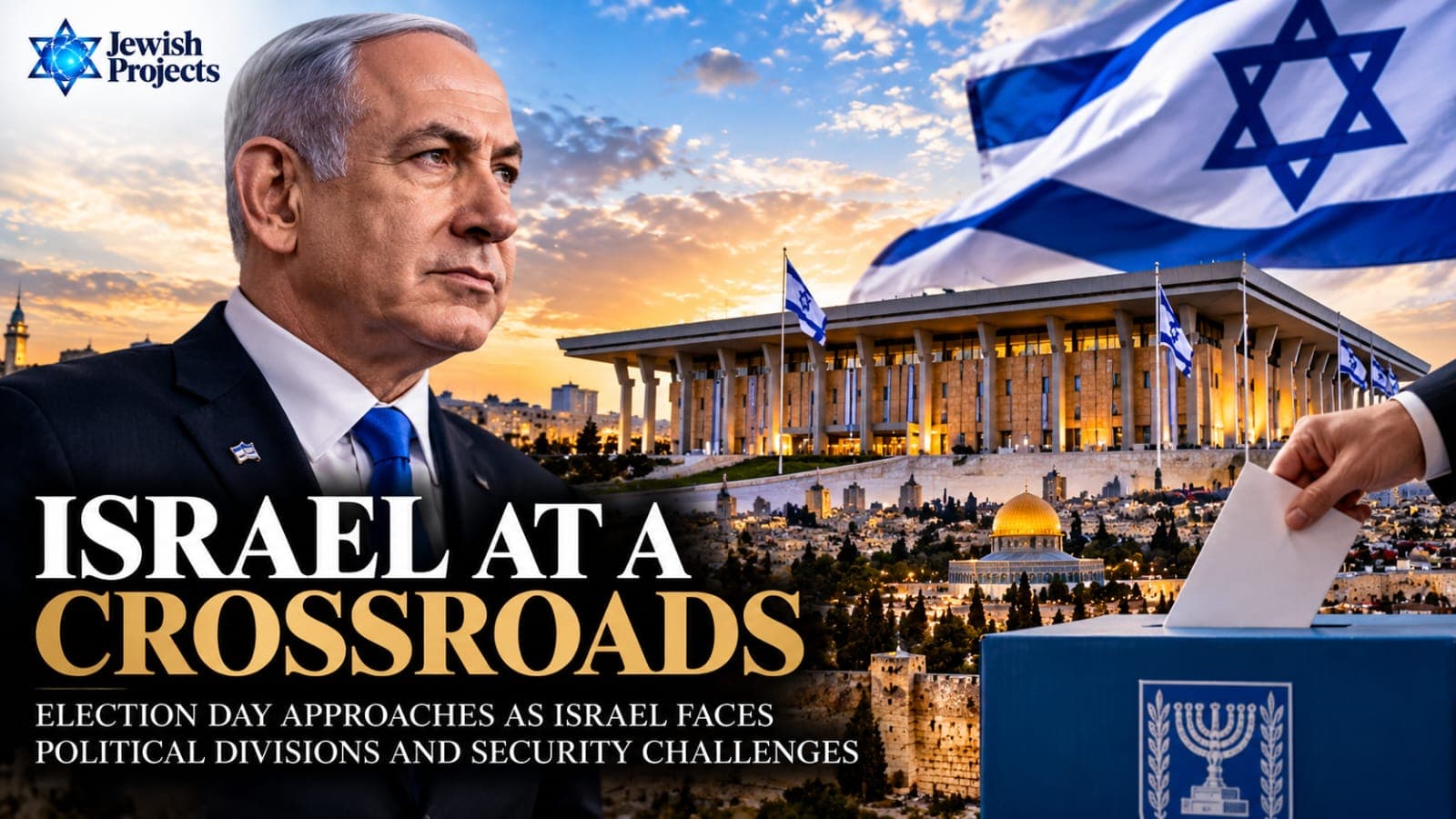
Israel has voted, and the first television exit polls point to a political deadlock. Benjamin Netanyahu's right-wing and religious bloc is projected to win around 50 seats, while the opposition parties led by Gadi Eisenkot are projected to win roughly 50 to 53. Arab-led parties hold the remaining balance. No bloc has the 61 seats needed to govern. The people have spoken; the final count and coalition talks remain ahead.
The Numbers Tell the Story
Israel's major television networks — Channels 11, 12 and 13 — released their exit polls after voting ended at 10 PM.
The projections tell a remarkably consistent story:
- Netanyahu's bloc: Approximately 50 seats, including Likud, ultra-Orthodox and right-wing parties.
- Eisenkot's opposition bloc: Approximately 50–53 seats, including centrist and other opposition parties.
- Arab-led parties: Approximately 17–18 seats.
The magic number is 61. Neither major bloc has reached it.
This is not an exact tie in parliamentary seats. It is a political deadlock, with neither camp currently showing a clear route to forming a government.
An Extraordinary Democratic Moment
Throughout Election Day, Israelis went to the polls in exceptionally high numbers.
At several reporting points, turnout reached the highest levels recorded since comparable election-day measurements began in 1973.
From Tel Aviv to Jerusalem, from northern communities to the Negev, Israelis exercised their democratic rights.
Religious and secular. Jewish and Arab. Young and old. Citizens with sharply different political beliefs, each making their own choice.
Israel's Arab citizens account for approximately 20% of the population. Their political representation adds another important dimension to the electoral picture.
The projected strength of Arab-led parties illustrates the complexity of Israel's parliamentary democracy, where coalition-building requires more than simply winning the largest number of seats.
Two Visions. One Country.
Benjamin Netanyahu and his Likud party entered this election seeking another mandate to govern, supported by religious and right-wing partners.
Gadi Eisenkot emerged as a leading figure of the opposition, alongside Naftali Bennett and other parties seeking political change.
The election has produced a closely divided parliamentary landscape.
The central question is no longer only who received the most votes.
It is who can assemble a governing coalition capable of commanding the confidence of the Knesset.
What Happens Next?
The television exit polls are projections, not official results.
Ballots still need to be counted. The final distribution of seats may change, and negotiations between political parties could take weeks.
A coalition agreement, an alternative parliamentary arrangement or another election may ultimately emerge.
Tonight, none of those outcomes can be declared certain.
But one thing is already clear:
Millions of Israelis have made their voices heard. The democratic process continues.
Follow Jewish Projects — Be Part of Our Global Community
Our coverage of Israel's elections is only one part of the Jewish Projects mission.
Every day, we share stories about Israel, the Jewish people, biblical history, faith, heritage, culture, security, the fight against antisemitism, and the connections between Jews and Christians around the world.
We invite you to stay connected, follow our reporting and join our growing international community.
A special thank-you to Ron Amitai, whose work behind the scenes helps power the technology supporting our growing international platform.
With gratitude to God, we continue moving forward.
Jewish Projects — Your Bridge to Israel and the Jewish People.
Independent. Global. Based in Israel.
Chanan Ziderman
Founder & Chief Editor
Jewish Projects